


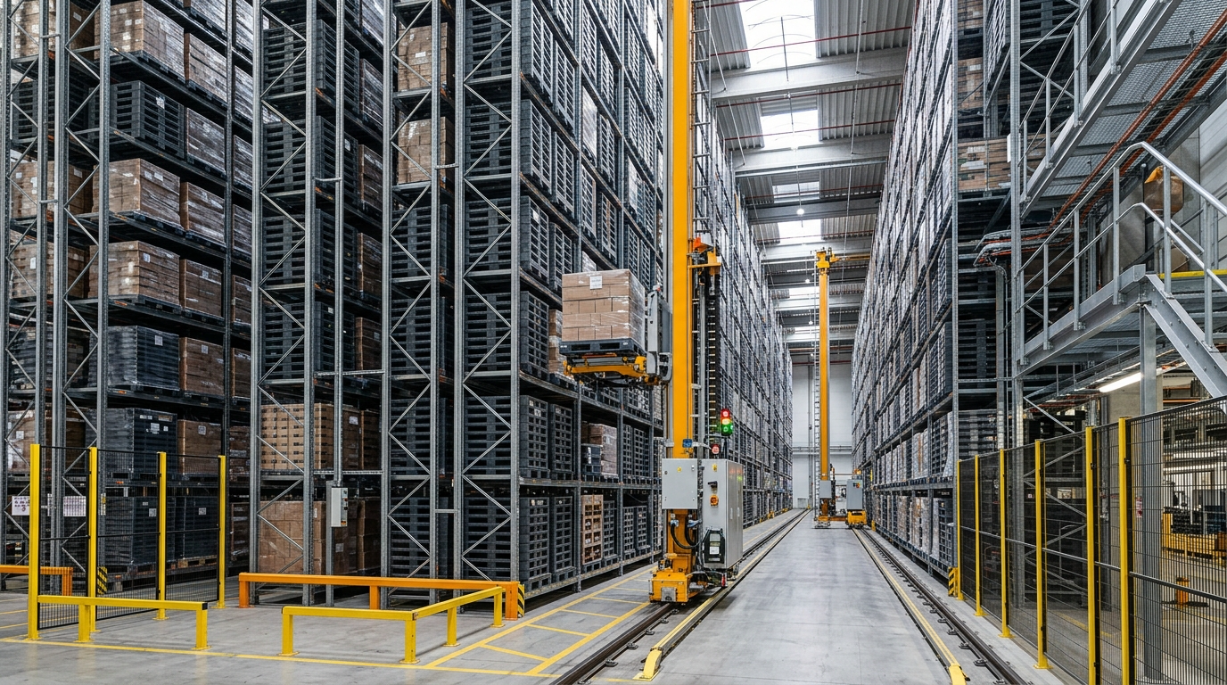
A warehouse can have advanced machines and smart software, but poor pallet choices can still slow everything down. The pallet is one of the first things that moves goods through storage, picking, and shipping areas.
Pallet selection affects warehouse automation and material flow because pallet size, weight, strength, shape, and surface can change how smoothly equipment handles loads.
The right pallet helps conveyors, forklifts, storage systems, and automated machines work with fewer delays. It can also improve load stability, reduce product damage, and make warehouse work more consistent.
Key Pallet Factors That Shape Automated Warehouse Performance
Before choosing a pallet, warehouse teams should look beyond price. The pallet must match the machines, storage racks, products, and movement paths used in the facility. A small difference in size or design can affect how a load moves through an automated system.
Standard sizes can make handling easier, while poor fit can lead to jams and extra manual work. Teams should also review pallet weight, deck design, load capacity, and cleanliness. These details help create a better match between the load carrier and the complete warehouse system.
1. Pallet Dimensions Affect Conveyor Movement
Pallet dimensions have a direct effect on conveyor performance. Automated conveyors are built around set sizes, clearances, and load positions. If a pallet is too large, it may touch guards or nearby equipment.
If it is too small, sensors may not detect it correctly, or the load may sit outside the expected position. Consistent dimensions help pallets move through transfer points without frequent adjustments.
This is especially important in high-volume warehouses where hundreds or thousands of loads may pass through the same route each day. Standard sizes can make automated movement more reliable.
2. Weight Influences Automated Handling
Pallet weight also matters when designing an automated material flow system. A heavy empty pallet adds extra load to conveyors, lifts, robots, and other equipment. Over time, this can increase energy use and place more stress on machine parts.
Lighter pallets can reduce the total weight being moved, especially when products are already heavy. However, lower weight should not mean weaker construction.
The pallet still needs to support the required load during storage and transport. Warehouse managers should consider both empty pallet weight and the maximum loaded weight when checking equipment limits.
You Can Also Read: Umm Yifenah Island UAE
3. Deck Design Helps Machines Handle Loads
The top and bottom deck design can change how well equipment handles a pallet. A flat and stable surface helps products remain in position during movement. Open areas may also be useful for certain cleaning or handling needs, but they must work with the warehouse equipment.
Automated systems may use rollers, chains, sensors, or robotic arms to move pallets. These parts need reliable contact with the pallet. A poor deck design can create movement problems or make loads shift. Choosing a suitable deck pattern helps keep products stable as they travel through different warehouse zones.
4. Pallet Strength Supports Safe Material Flow
A pallet must be strong enough for the loads placed on it and the way those loads are handled. Weak or damaged pallets can bend, break, or become unstable when lifted. In an automated warehouse, one damaged pallet can cause more than a damaged product.
It may stop a conveyor line or require workers to remove the load from the system. Strong pallets help reduce these interruptions.
Warehouse teams should check both static and dynamic load ratings. They should also consider how often pallets are reused and whether they face repeated impacts from automated handling equipment.
5. Consistent Pallets Improve Robot Accuracy
Robotic systems work best when every load follows predictable conditions. When pallet sizes, shapes, and positions vary too much, robots may have trouble picking, placing, or moving loads. This can reduce system speed and increase the need for manual checks.
Consistent pallets give robotic equipment a stable base to work with. This allows sensors and programmed movements to operate within known limits. For warehouses using robotic picking or pallet movement, standardization can therefore support better accuracy.
It also makes it easier to set machine positions and reduce unexpected stops during daily operations.
6. Pallet Surface Affects Load Stability
The surface of a pallet plays an important role in keeping products stable. Smoothness, grip, and deck structure can affect whether cartons, containers, or other goods move during transport.
A load that shifts may create problems when it reaches a conveyor, storage rack, or robotic station. Warehouse teams should select a pallet surface that matches the products being carried.
They should also consider wrapping, strapping, and other load security methods. Better load stability helps reduce product damage and allows automated equipment to move goods with fewer interruptions caused by unstable loads.
7. Rack Compatibility Protects Warehouse Flow
Storage racks must work safely with the pallets placed inside them. A pallet that does not fit the rack design can create safety risks and reduce available storage space. Automated storage and retrieval systems need even more control because machines place and remove loads without constant manual adjustment.
The pallet should have the correct dimensions and strength for the rack system. Its bottom structure must also provide proper support. Checking rack compatibility before purchase can prevent costly changes later. It can also help warehouses use vertical space more effectively while keeping automated storage operations stable.
8. Pallet Quality Reduces System Interruptions
Warehouse automation depends on predictable equipment movement. Damaged, cracked, warped, or badly repaired pallets can create unexpected problems. A pallet may fail to move correctly, sit unevenly, or become difficult for a robot to pick up.
These issues can stop a process and require workers to intervene. Reusable plastic pallets can offer consistent dimensions and construction across repeated handling cycles. However, the right choice depends on the warehouse environment and load requirements.
Regular pallet inspections are also important because even a suitable pallet can become unsafe or unreliable after heavy use.
9. Standardization Makes Material Flow Easier
Using fewer pallet types can simplify warehouse operations. When the same pallet format is used across receiving, storage, picking, and shipping, equipment can be set up around a consistent load base.
This can reduce handling errors and make staff training easier. Standardization also helps procurement teams manage inventory because fewer pallet models need to be purchased and stored.
However, standardization should not be done without checking actual warehouse needs. Different products may require different load capacities or designs. The goal should be to reduce unnecessary variation while still meeting safety and handling requirements.
10. Pallet Choice Can Influence Total Operating Costs
The purchase price of a pallet is only one part of its cost. Warehouse teams should also consider repair needs, replacement rates, handling efficiency, equipment wear, storage space, and product damage.
A cheaper pallet may become expensive if it causes frequent jams or needs regular replacement. A suitable pallet can support smoother movement and reduce avoidable downtime.
Teams should compare the expected cost over the pallet’s working life rather than looking only at the initial price. This approach can help businesses choose a solution that supports both warehouse efficiency and long-term budget control.
How to Select the Right Pallet for an Automated Warehouse?
- Check pallet size: Make sure dimensions match conveyors, racks, and automated equipment.
- Test equipment compatibility: Confirm the pallet works with rollers, chains, lifts, and transfer units.
- Review load capacity: Choose a pallet that can safely support the required product weight.
- Consider load shape: Check the product shape, center of gravity, and stacking method.
- Match storage conditions: Select a pallet suitable for indoor, outdoor, cold, or wet areas.
- Check cleaning needs: Consider easy-to-clean designs for food, medicine, and sensitive products.
- Review pallet durability: Choose a pallet that can handle repeated automated handling.
- Compare operating costs: Consider service life, replacement needs, and handling efficiency.
Conclusion
Pallet selection affects much more than how products are carried around a warehouse. It can influence conveyor movement, robotic handling, rack storage, load stability, equipment wear, and overall material flow.
Pallet selection should therefore be based on the complete warehouse system rather than the purchase price alone. Teams should compare dimensions, weight, strength, deck design, rack fit, automation needs, and operating conditions before making a decision.
Testing the chosen pallet with real equipment can further reduce risk. A well-matched pallet gives automated systems a more stable foundation and helps warehouses maintain smooth, reliable operations.